Questions
Is Mukundra a tiger reserve?
Yes. Constituted in 2013. Rajasthan’s third tiger reserve after Ranthambore and Sariska. Area 759.99 sq km across Kota, Bundi, Chittorgarh and Jhalawar.
Are tiger sightings guaranteed?
No. Tigers were restored by official translocation. This is still a wild, restoration landscape. Plan for leopard hills, deer, birds and the Chambal — treat a tiger as a gift.
What animals can I reasonably hope to see?
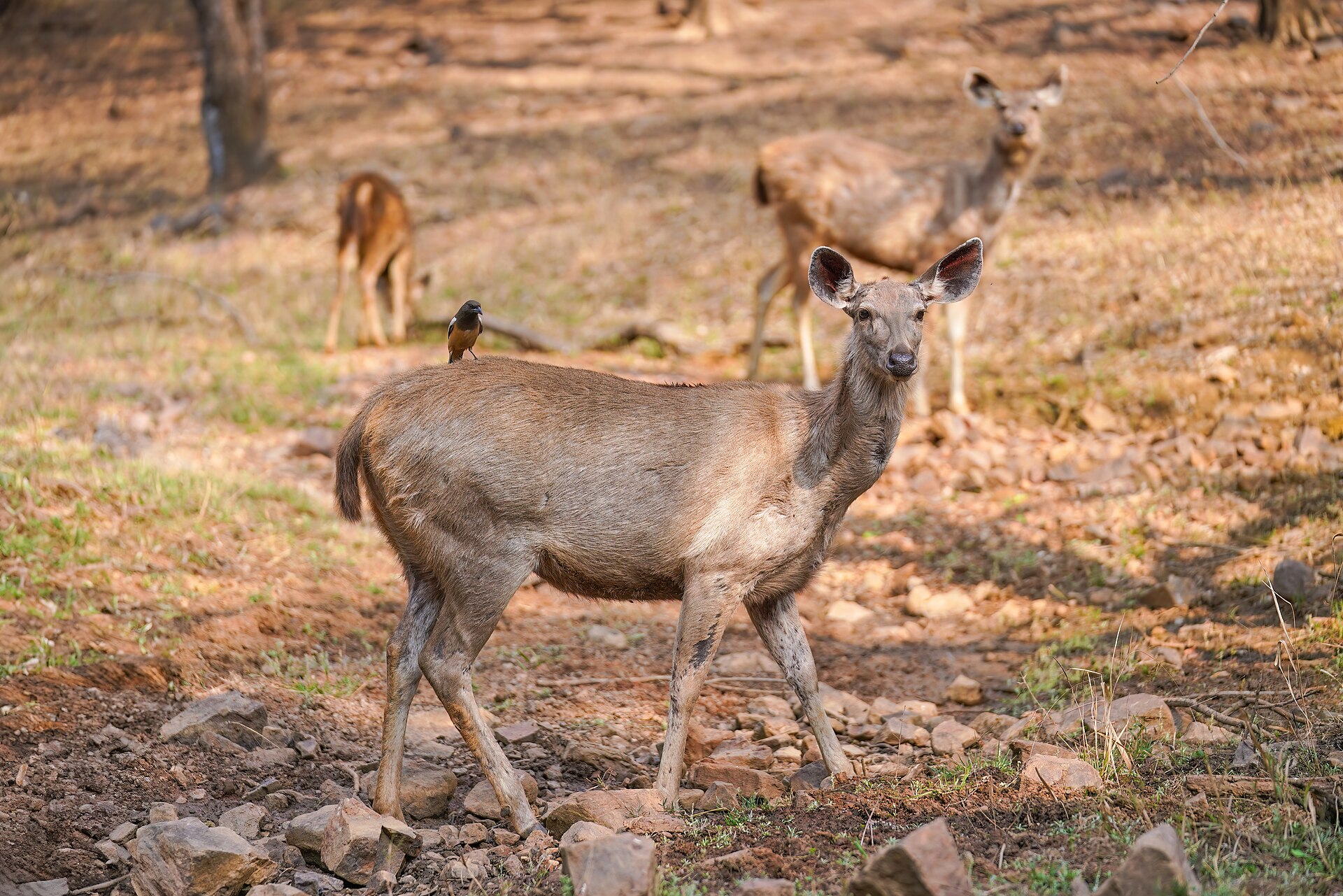
Chital, langur, nilgai and sambar are the everyday forest. Leopard is more likely than tiger for many visitors. Sloth bear, hyena, jackal and jungle cat are recorded but less predictable. Mugger belong to the Chambal viewpoints, not the gypsy track itself.
What vehicle is used?
Open gypsy with a forest guide. This site does not list a canter, because that is not a verified reserve-wide public product.
What is the gypsy fee?
₹4,500 — per open gypsy · confirm at Forest office. Live tariffs change. Do not pay a third party who claims this website books the Forest Department.
Timings?
Morning 6:00 AM – 10:00 AM · Evening 2:30 PM – 6:00 PM. Report 30 minutes early. Winter mornings are cold on an open vehicle.
Which gate should I use?
The one printed on the permit. Darrah, Daulatganj / Garadia and Ramganj Mandi serve different blocks of a long hill reserve. Arriving at the wrong gate can cost you the slot.
When is the best season?
October–March for weather and birds. April–June is hot but water can concentrate animals. July–September often closes core roads — call before you travel.
Can I book here?
No. mukundrasafari.org is a visitor guide. Call +91 744 250 2314.
Is it quieter than Ranthambore?
Visitor pressure is usually lower. The habitat is different: a long Vindhyan corridor and a river gorge, not a famous core-zone lottery. Come for that honesty, not for a guaranteed photograph.